Glass baby bottles
Glass bottle content needs material explanation, handling expectations, nipple compatibility, cleaning steps, and a clear reason why a family might choose glass over another option.
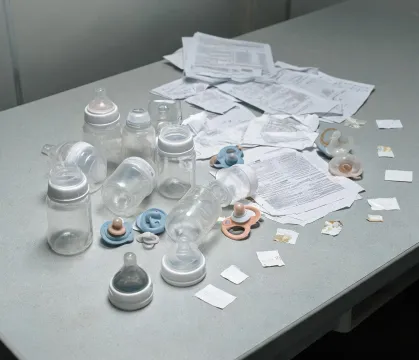
This page adapts the comparison structure in the manifest into a safety review experience. The topic is baby feeding documentation, not environmental messaging. Bottles, pacifiers, sippy cups, warmers, and oral care items are shown through the lens of age grading, material identity, warning visibility, and practical care instructions.
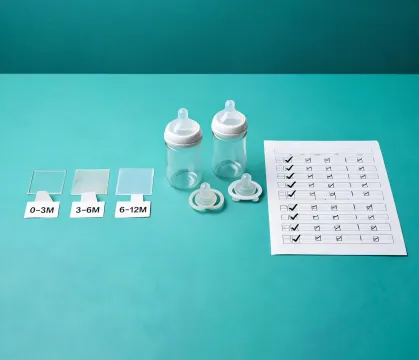
The original SUS-F slot calls for a calculator-style section. For this brand, the section becomes a practical readiness model that compares four baby care proof points. It helps teams estimate how complete a product page feels before it goes live.
A strong Dr Browns page should make these four checks visible without forcing a shopper to hunt through long paragraphs. The same logic can guide baby bottles, pacifiers, specialty feeding items, cup transitions, and oral care accessories.
Glass bottle content needs material explanation, handling expectations, nipple compatibility, cleaning steps, and a clear reason why a family might choose glass over another option.
Silicone touchpoints require age range, ventilation and shield considerations, care instructions, and a precise way to describe comfort without unsupported health claims.
Care devices should explain routine fit, compatible containers, cleaning cycle expectations, and safety cautions before feature language gets too promotional.
Transition cup pages should show grip, spill-control design, straw access, valve cleaning, and the child skill stage addressed by each format.
Send the product category, claimed material, age range, and the page or channel where the explanation will appear. The response can focus on claim clarity, safety vocabulary, cleaning language, or document readiness.